
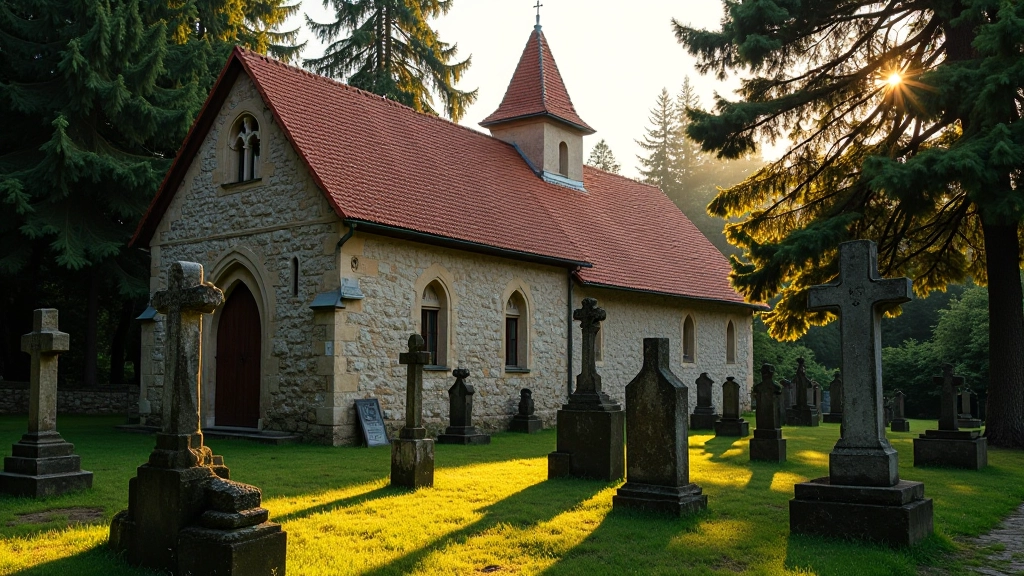
St Catherine Church: History and Architecture
Explore the centuries-old stone walls, intricate details, and the spiritual significance of Limbaži's most iconic religious landmark built during medieval times.
Read MoreDiscover Limbaži's sacred history and timeless paths designed for leisurely exploration
Learn about the churches, cemeteries, and walking routes that tell Limbaži's story
Explore the centuries-old stone walls, intricate details, and the spiritual significance of Limbaži's most iconic religious landmark built during medieval times.
Read More
A gentle guide to navigating Limbaži's cemetery gardens. Discover resting spots, interesting monuments, and the peaceful atmosphere perfect for senior walkers.
Read More
Understand the inscriptions, carved symbols, and artistic elements found on Limbaži's cemetery stones. Each marker tells a story from centuries past.
Read More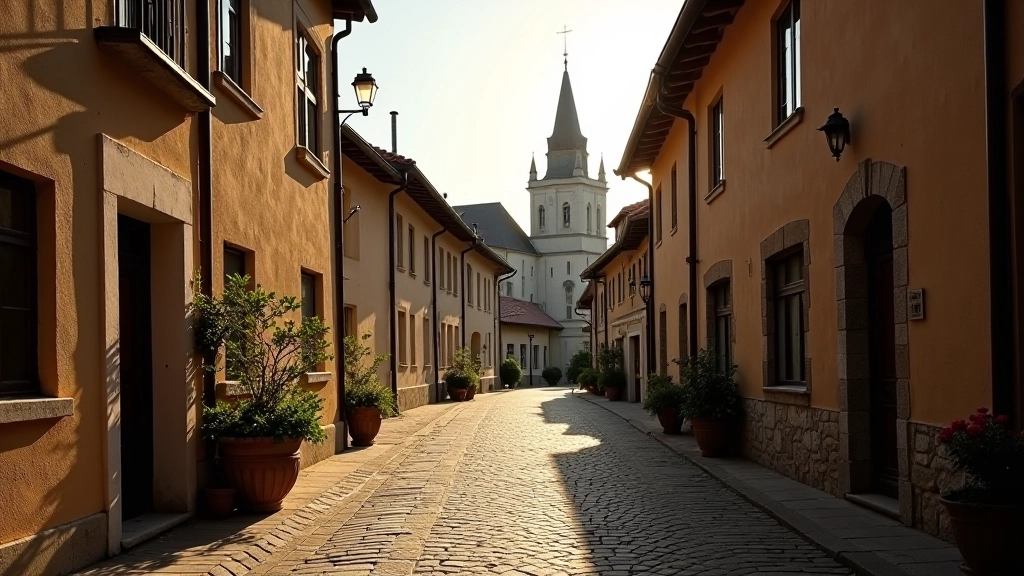
Plan your route through Limbaži's old town. Visit medieval buildings, narrow lanes, and historical sites while enjoying manageable walking distances.
Read MoreThe medieval heritage trails of Limbaži offer more than just a walk through history — they're a connection to the people, beliefs, and craftsmanship of centuries past. St Catherine Church stands as a testament to religious devotion, its stone walls having witnessed generations of worship and community gatherings. The cemetery gardens aren't places of sadness, but rather peaceful spaces where you can reflect on the lives that came before, each gravestone a small monument to someone's story.
For seniors specifically, these trails are thoughtfully accessible. The paths wind gently through established gardens, offering natural resting points and shaded areas. There's no rush — you set your own pace, pause when you need to, and absorb the atmosphere at your leisure. Many visitors find that walking these routes becomes a meditative experience, a way to connect with history while enjoying the benefits of gentle outdoor activity.
The old town itself forms the heart of this experience. Narrow lanes lined with traditional buildings create an authentic medieval atmosphere. You're not walking through a reconstructed tourist zone, but through a real town that's maintained its character. Local residents still live and work here, and you'll notice details that modern development missed — ancient doorways, weathered facades, and corners that seem untouched by time.
Best time to explore: Early mornings or late afternoons offer cooler temperatures and softer light. Spring and autumn provide comfortable weather for extended walks.
What to bring: Comfortable walking shoes with good support are essential. The cemetery paths are well-maintained, but sturdy footwear helps on uneven ground. A light jacket, hat, and water bottle make longer visits more enjoyable.
Accessibility: Most trails are accessible to those with mobility concerns, though some cemetery sections have gentle slopes. The old town streets have some cobblestones. Benches and resting spots are scattered throughout for when you need a break.
Photography: The architectural details and natural beauty of these spaces are worth capturing. The interplay of light on stone creates compelling images throughout the day.