Reading Medieval Gravestones and Symbols
Discover the hidden stories carved in stone. Learn to interpret medieval symbols, epitaphs, and craftsmanship that reveal the lives of those buried in our oldest cemeteries.
Why Medieval Gravestones Matter
Medieval gravestones aren't just burial markers — they're historical documents carved in stone. Each cross, inscription, and decorative element tells us something about the person buried beneath, their family's wealth, their beliefs, and the craftsmanship of the period.
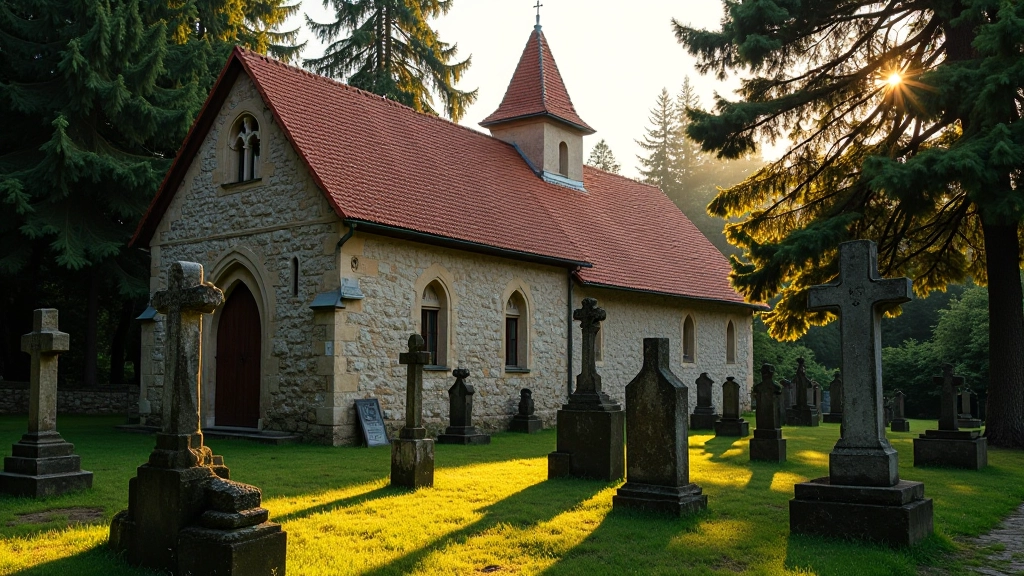
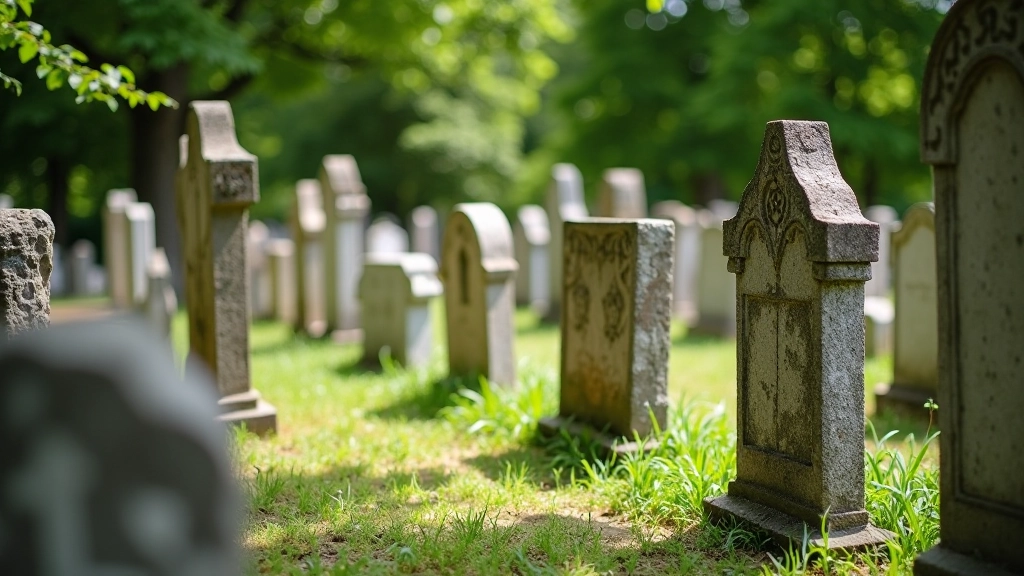
When you walk through cemeteries like those around St Catherine Church in Limbaži, you're actually reading a timeline of local history. The symbols used, the Latin phrases, the quality of stonework — they all paint a picture of medieval life that's remarkably well preserved. Plus, many of these stones have survived 500+ years because they were made from durable limestone and sandstone.
Understanding these gravestones makes your visits to historic sites so much richer. You're not just seeing old rocks — you're connecting with real people and their stories.
What You'll Learn
- The meaning of common medieval symbols
- How to date gravestones by style and materials
- Deciphering Latin inscriptions and epitaphs
- What stonework quality reveals about status
- Finding and reading gravestones safely
Common Medieval Gravestone Symbols
The symbols carved on medieval gravestones follow a visual language that'd been developing for centuries. You'll find certain patterns repeated across different graveyards and regions. Understanding them is like learning to read a historical alphabet.
The Cross
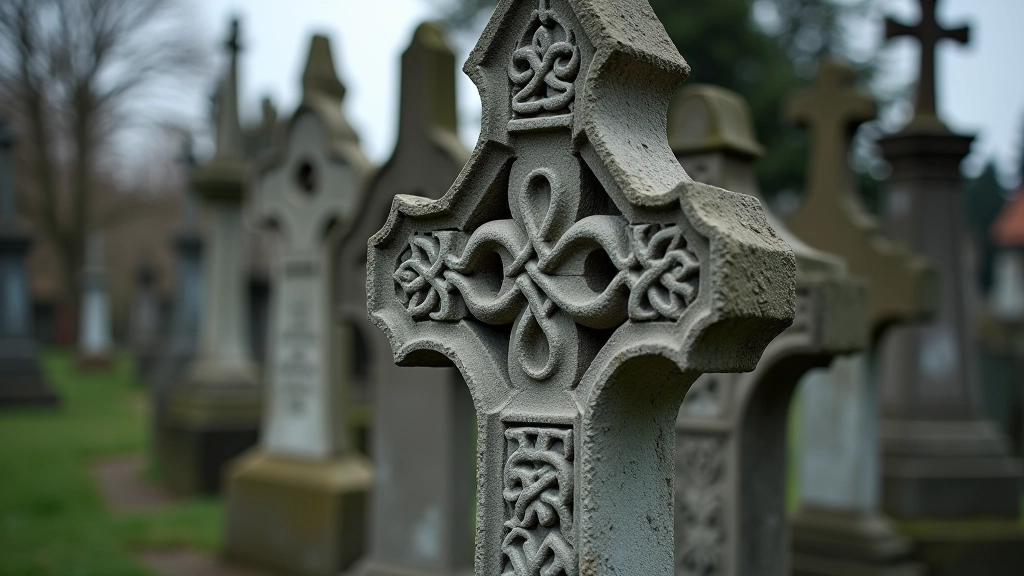
This is the most fundamental symbol. A simple Latin cross (with equal arms) typically marks a Christian burial. The position matters too — a cross at the head indicates the person's faith was central to their identity. Some crosses are decorated with intricate patterns or geometric designs, which often indicates the person held higher social status or that the family could afford better stonework.
The Shield or Coat of Arms
Shields carved onto gravestones show family heraldry. These aren't random designs — they're official family emblems that identified nobility or landowners. If you see a shield, you're looking at someone of considerable importance. The shield's complexity and the quality of carving reflect the family's wealth and standing in the community.
The Skull and Crossbones
You'd think this meant piracy, but actually it's a "memento mori" symbol — a reminder of death and human mortality. It became increasingly popular in the 16th and 17th centuries. The message is straightforward: we all die, so live righteously. It's both sobering and philosophically profound.
Tools and Trades
Gravestones sometimes show symbols of the person's occupation — hammers for blacksmiths, shears for tailors, crossed keys for stewards. These tell you what the person did for a living and were especially common for skilled tradespeople. It's a fascinating record of the medieval economy.
Dating Gravestones by Style and Material
You don't always need an inscription to figure out when a gravestone was placed. The stone itself, the carving style, and the decorative choices all provide clues. It's detective work, and once you know what to look for, you'll start seeing patterns.
Stone Type Matters
Limestone was the most common choice in medieval times because it's easier to carve and relatively durable. Sandstone was used too, though it tends to weather faster. Granite didn't become popular until later centuries. If you're examining a gravestone and it's deeply carved with sharp lines, it's likely older — newer stones sometimes have shallower carving because the stone has already lost surface detail to weathering.
Carving Techniques
Medieval stonework typically shows individual chisel marks if you look closely. The tool marks are consistent with hand tools used in the period. Renaissance and later work tends to be smoother and more refined. The depth of relief carving also shifted over time — medieval craftspeople often created deeper, more dramatic shadows with their work.
Decorative Borders and Details
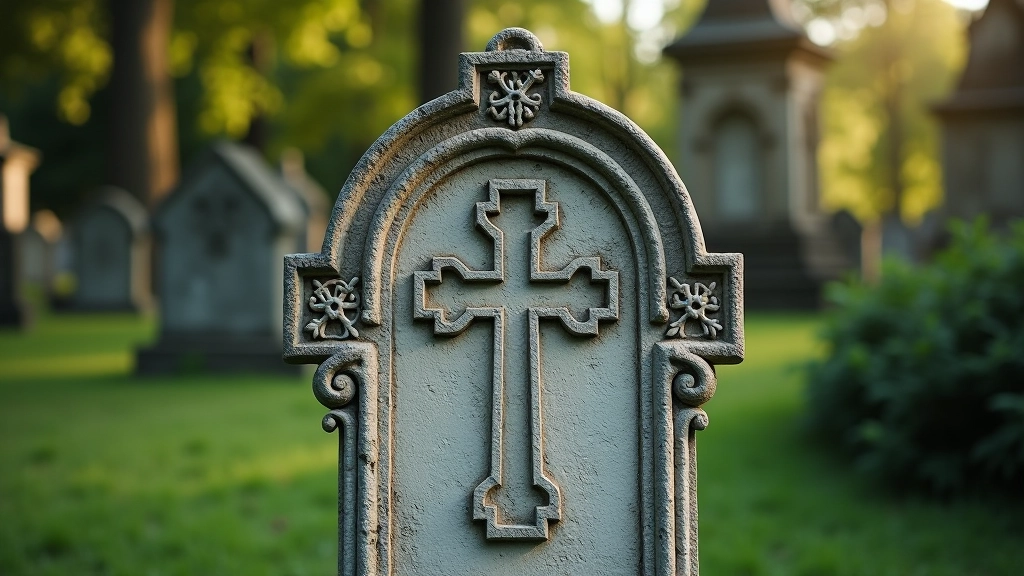
Geometric patterns, scrollwork, and floral designs evolved over centuries. Simple geometric borders are typically medieval. Elaborate scrollwork and acanthus leaves suggest Renaissance or later periods. The simpler the decoration, generally, the older the stone.
Reading Inscriptions and Latin Epitaphs
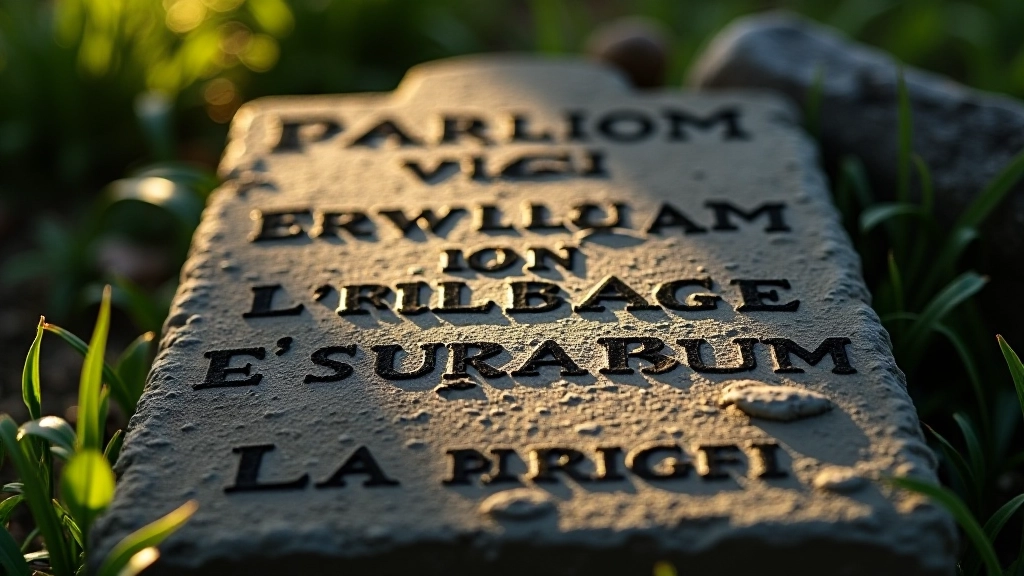
Most medieval gravestones include some form of text, usually in Latin. Don't worry if you don't speak Latin — you'll recognize patterns once you know what to look for. The same phrases repeat across graveyards because they followed conventional formulas.
Common Latin Phrases You'll See
HIC IACET means "Here lies" — it's the opening phrase on countless medieval gravestones. It's followed by the person's name and often their title or relationship.
REQUIESCAT IN PACE (R.I.P.) means "May he/she rest in peace." You'll see this on Christian burials from medieval times through today.
OBIIT means "died." Often followed by a date or age at death.
ANNO DOMINI (A.D.) marks the year using the Christian calendar. Medieval stonemasons carved these dates, so you're reading the actual year the stone was placed.
The best approach is to sketch out the inscription (if it's still readable) and use an online Latin dictionary or gravestone transcription database. Many regional heritage organizations maintain databases of local gravestone inscriptions, which is incredibly helpful when you're visiting a cemetery.
Practical Tips for Gravestone Exploration
Visiting a cemetery to study medieval gravestones is rewarding, but there are some practical considerations that'll make your experience better and protect these historic stones.
Best Time to Visit
Early morning or late afternoon light creates the best conditions for reading carved text. The low angle of the sun creates shadows in the carved grooves, making inscriptions much more legible. Midday sun washes everything out. Overcast days work reasonably well too — you're not fighting glare.
Gentle Cleaning Techniques
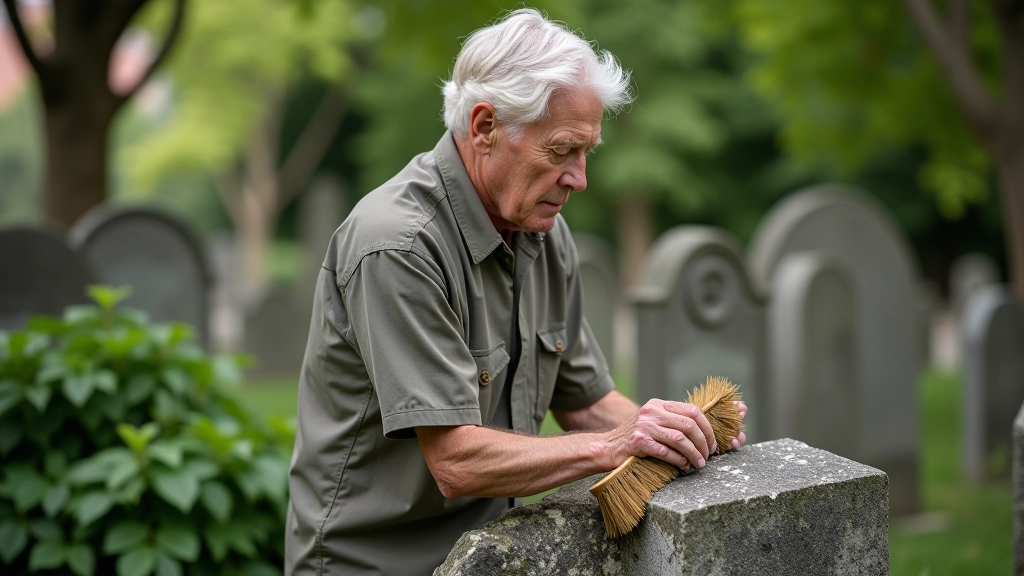
If lichen or moss is covering text, you can use a soft brush and water. Never use acid-based cleaners or wire brushes — these damage the stone. Gentle is the rule. Some gravestones are so old and weathered that cleaning them risks causing more harm. When in doubt, leave it alone or ask the cemetery caretaker.
Rubbing Technique
Gravestone rubbing involves placing paper over the stone and rubbing with graphite pencil to capture the carved design. It's a wonderful way to document inscriptions. Use rice paper or thin newsprint — nothing too thick. Never use oil-based materials that might stain the stone.
Photography Tips
Photograph from multiple angles, especially at different times of day. Raking light (light coming at an angle) shows carved details that straight-on photos miss. A smartphone works fine, though a camera with manual controls gives you more flexibility. Document the full stone and close-ups of any inscriptions or interesting details.
Respect the Space
Remember that these are burial sites. Stay on paths, don't disturb flowers or decorations left by families, and approach this as the solemn place it is. Many cemeteries have visiting hours — check before you go. Some require permission for rubbings or photography. It's worth asking — caretakers often have fascinating local knowledge to share.
What Gravestones Reveal About Medieval Life
When you piece together information from multiple gravestones — dates, symbols, inscriptions, stone quality — you're actually reconstructing local history. You'll notice patterns emerge. Certain families appear repeatedly. Particular symbols cluster around certain time periods. Occupations reflect the local economy.
Family Networks
Gravestones with the same family coat of arms show how families were connected. Parents, children, and relatives often buried together or in close proximity. You're looking at family trees carved in stone.
Lifespan Patterns
The ages carved on gravestones tell stories about mortality. You'll notice many children's graves, which reflects high childhood mortality rates in medieval times. Adult graves often show people living into their 50s and 60s — quite remarkable given the period's hardships.
Economic Status
The quality and size of a gravestone directly reflected wealth. Elaborate carved decoration meant the family had resources. Simple unmarked graves suggest poorer people. This creates a visible hierarchy even in death.
Craft Mastery
Stonework quality reveals the skill of medieval craftspeople. Some stones show remarkable precision — thin-lined decorative work that required tremendous skill and hours of labor. Others are cruder, perhaps made by apprentices or for budget-conscious families.
Every gravestone you examine adds another piece to the historical puzzle. That's why cemeteries like those at St Catherine Church in Limbaži are so valuable. They're open-air museums where history is literally written in stone.
Important Note on Historical Interpretation
The information in this guide represents general patterns observed in medieval gravestones and cemetery practices. However, interpretations of symbols and inscriptions can vary based on regional traditions, local customs, and specific historical contexts. For precise dating or detailed historical analysis of specific gravestones, it's recommended to consult with local heritage organizations, museum professionals, or published gravestone surveys for your region. This guide is intended as an educational introduction to gravestone literacy, not as a definitive archaeological or historical reference.

Explore More Medieval Heritage