Old Town Routes: Exploring Limbaži's Historic Core
Discover the medieval heart of Limbaži through walking routes designed for all ages, with detailed guidance on historic architecture, cultural landmarks, and accessible pathways.
Why Limbaži's Old Town Matters
Limbaži isn't just another Baltic town — it's a living archive of medieval life. The core of the old town tells stories spanning centuries, from the 13th-century fortress that once protected the region to the stone buildings that still line narrow streets today. What makes it special isn't just the architecture. It's the way the town's layout itself reveals how people lived, traded, and built community in the Middle Ages.
We've mapped out routes that don't require specialized knowledge or hiking boots. You'll walk streets your ancestors walked. You'll see where markets happened, where church bells rang, and where families built their homes. The whole experience takes between 90 minutes to 2 hours depending on how long you spend at each stop.
Two Main Routes
A shorter 1.2 km loop through the medieval center, plus an extended 2.8 km route covering the outer historic districts.
Fully Accessible
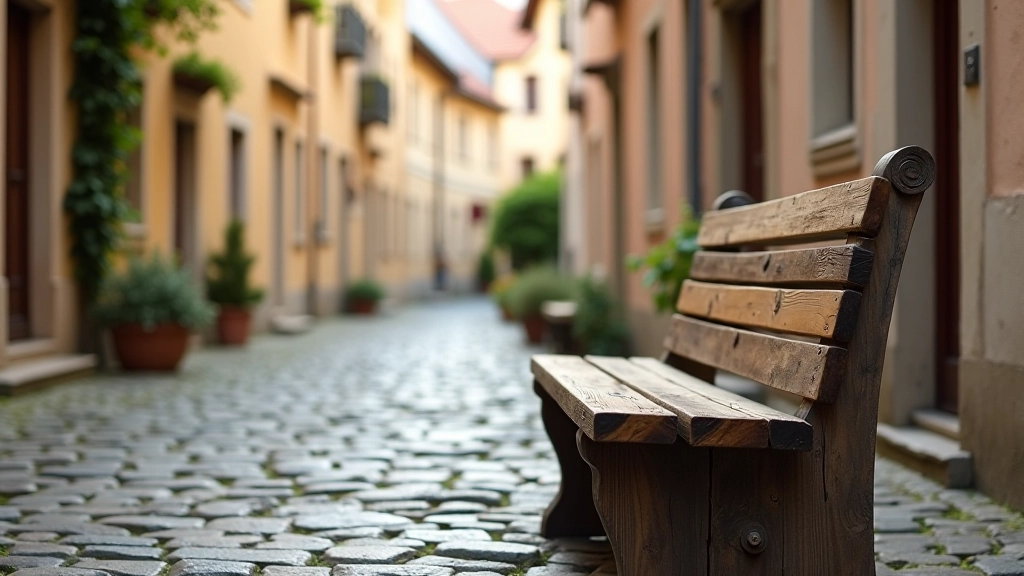
Paved surfaces throughout, rest benches at regular intervals, detailed accessibility notes for every major landmark.
Self-Guided or Led
Walk at your own pace with detailed maps, or join weekend guided walks led by local heritage specialists.
The Medieval Heart: Cathedral Square and Beyond
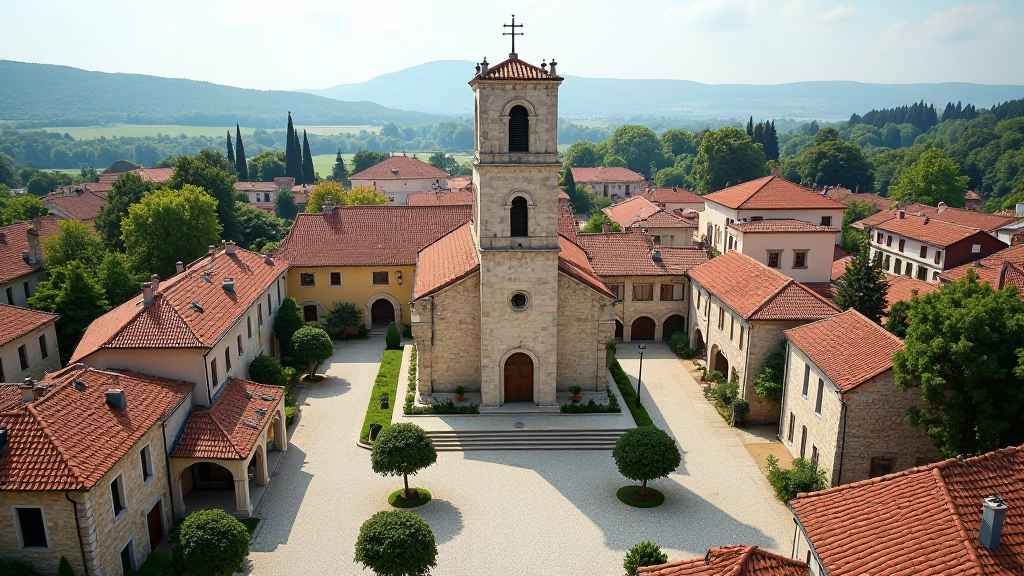
Cathedral Square sits at the absolute center of old Limbaži. This isn't accidental — medieval towns were organized around religion and commerce, and the square served both purposes. Today you can still see the church, the original town hall foundations, and the spaces where merchant stalls operated for centuries.
The square's layout tells you something important: it's roughly rectangular, which means it was planned that way. That's unusual in the 14th century. Most towns grew organically with irregular streets. Limbaži's geometric design suggests careful urban planning, possibly by someone trained in German settlement practices — which makes sense given the region's trading relationships.
Walking around the square, you'll notice the building heights are surprisingly consistent. Many structures preserve original stone foundations while upper floors were rebuilt during the 18th and 19th centuries. That mix of medieval base and later additions is actually helpful — you're not looking at fantasy reconstructions, you're seeing real history with honest repairs.
Reading the Streets: Stone, Mortar, and Stories
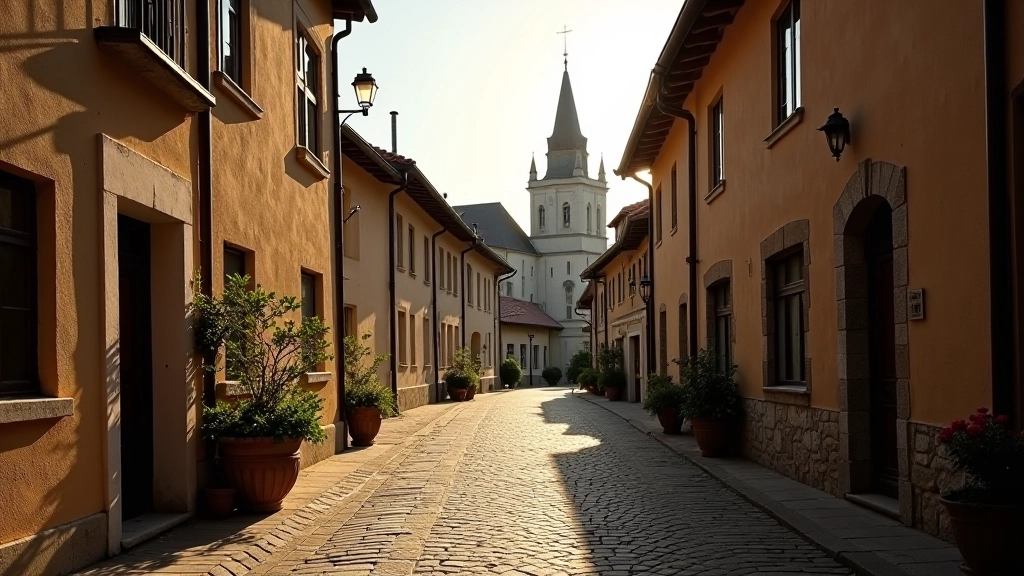
The actual walking routes follow streets that've been in place for 600+ years. That's what makes them fascinating. You're not on a modern path laid over history — you're on the same routes merchants, clergy, and families used. The streets are narrow by today's standards, rarely wider than 6-7 meters, which tells you something about medieval traffic. Carts, horses, pedestrians — everyone shared the same tight space.
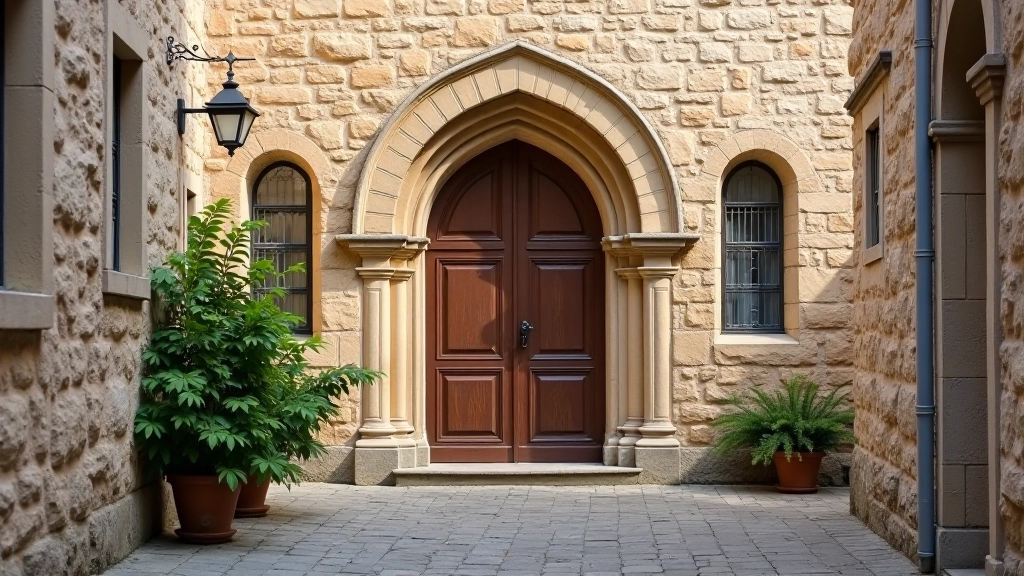
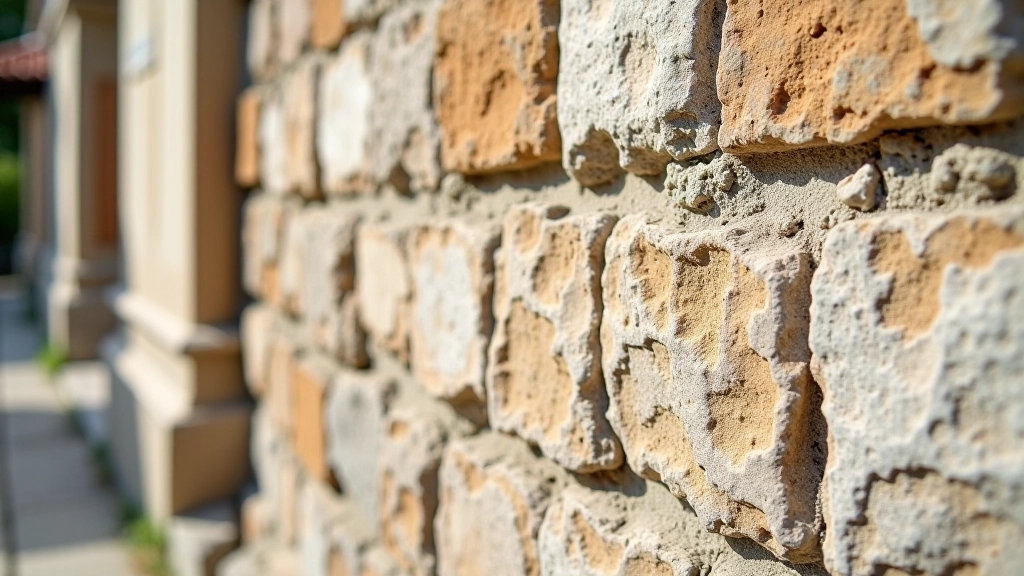
Pay attention to the building materials. Local stone — granite and limestone from nearby quarries — makes up most of the medieval foundations. You can see where repairs happened centuries ago because the stone color and texture changes. These aren't sloppy patches. They're careful replacements, sometimes using different stone because the original quarry was exhausted. That detail shows you the town's continuity. Problems got fixed, buildings got maintained, people stayed invested.
The street names themselves preserve medieval functions. Pils iela means "castle street." Baznīcas iela is "church street." These names didn't come from 1950s planning committees — they're translations of names that go back centuries. Walking Baznīcas iela, you're literally following the pilgrimage route.
Practical Navigation: Routes and Rest Points
Here's what actually matters for the walk: there are three rest benches on the short route, positioned at natural viewpoints. The first is at Cathedral Square itself — obvious choice. The second sits where you get your first clear view of the surrounding countryside beyond the town walls. The third is near the old marketplace, where you can sit and imagine the noise and commerce that happened here.
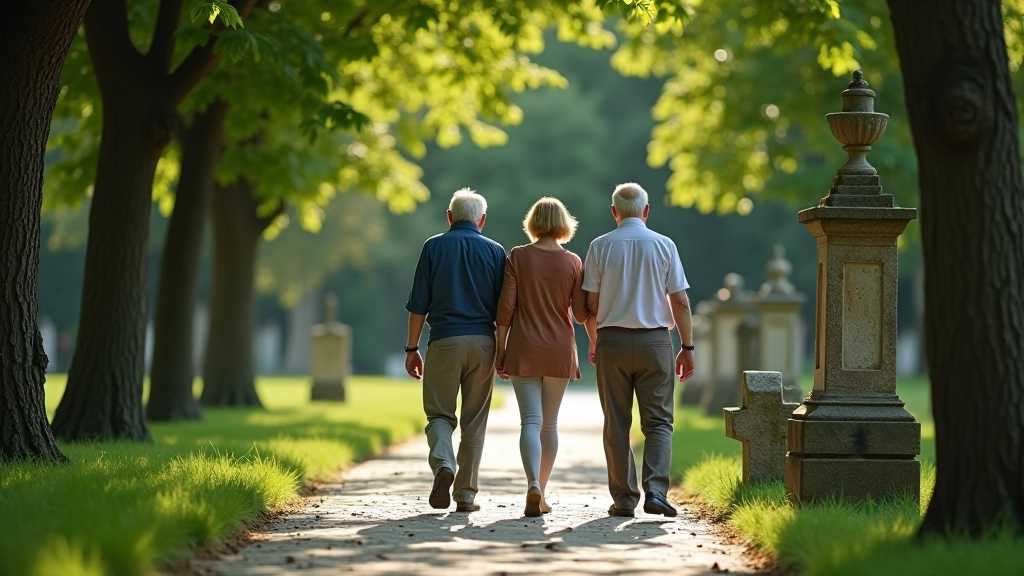
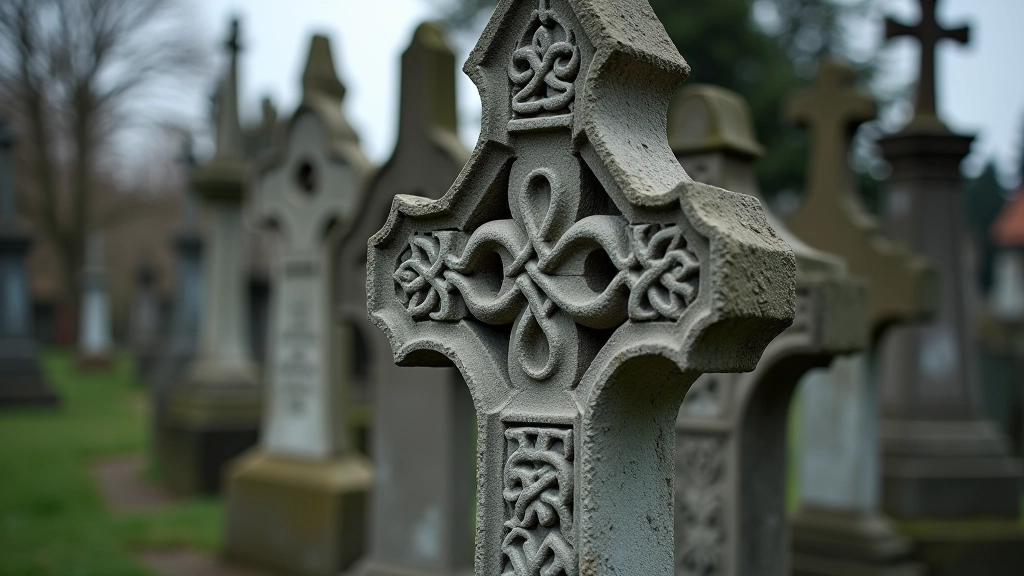
The extended route adds complexity but rewards you with the town's outer fortifications and the historical cemetery. It's the same paved surface throughout, but the terrain has gentle slopes. Nothing steep, but definitely not completely flat. Most people manage it comfortably in 2 hours with photo stops and reading the information plaques.
Best time to visit: May through September for weather. June has the longest daylight — you get 17+ hours of daylight, so early morning walks are genuinely pleasant. October still works fine, but afternoon light fades by 5 PM.
What to Actually Look For
Don't try to memorize dates and names. Instead, look for these concrete details that make the medieval town come alive. Watch for building corners that show different construction phases — you're seeing actual repair work, not guessing. Notice how many doorways are elevated above current street level. That tells you the streets rose over time as garbage, dust, and debris accumulated.
The window patterns reveal social history too. Larger, more regular windows in buildings facing the square suggest wealthier residents or commercial spaces. Smaller, irregular windows in side streets indicate working-class housing. You're literally reading class divisions in the architecture.
Most important: talk to locals if you can. The woman selling coffee at the small café near the church? She's lived here for 40 years. She can tell you things that no guidebook captures — which buildings were damaged in WWII and rebuilt, which families have owned shops for generations, where the really old stones came from.
Information Notice
This article provides historical information and route guidance for educational purposes. While routes are designed for accessibility, individual fitness levels vary. Always check current local conditions before visiting. Weather, seasonal changes, and maintenance work may affect walkability. Contact local tourism offices for real-time accessibility updates and current opening hours for historic sites. Historical dates and details are based on available research and local documentation.
Walking Your Own Path Through History
Limbaži's old town isn't a museum exhibit or a reconstructed theme park. It's a real town where people still live, work, and build their futures. That's what makes it worth visiting. You're not looking at preserved history behind ropes — you're walking through it. You'll pass a café in a 400-year-old building, see someone's laundry hanging from a medieval window, and watch a kid playing in the same square where merchants traded for centuries.
The routes take 90 minutes to 2 hours. You don't need special equipment or training. You do need patience to look carefully and imagination to picture what these streets sounded and smelled like in centuries past. Bring a water bottle, wear comfortable shoes, and go slowly. The details are where the real story lives.