
I help older visitors discover medieval history safely
Andris Vīksne has spent 16 years documenting church architecture and cemetery landscapes across Latvia. Now he's dedicated to making these spaces accessible for everyone — especially seniors who want to explore their cultural heritage.
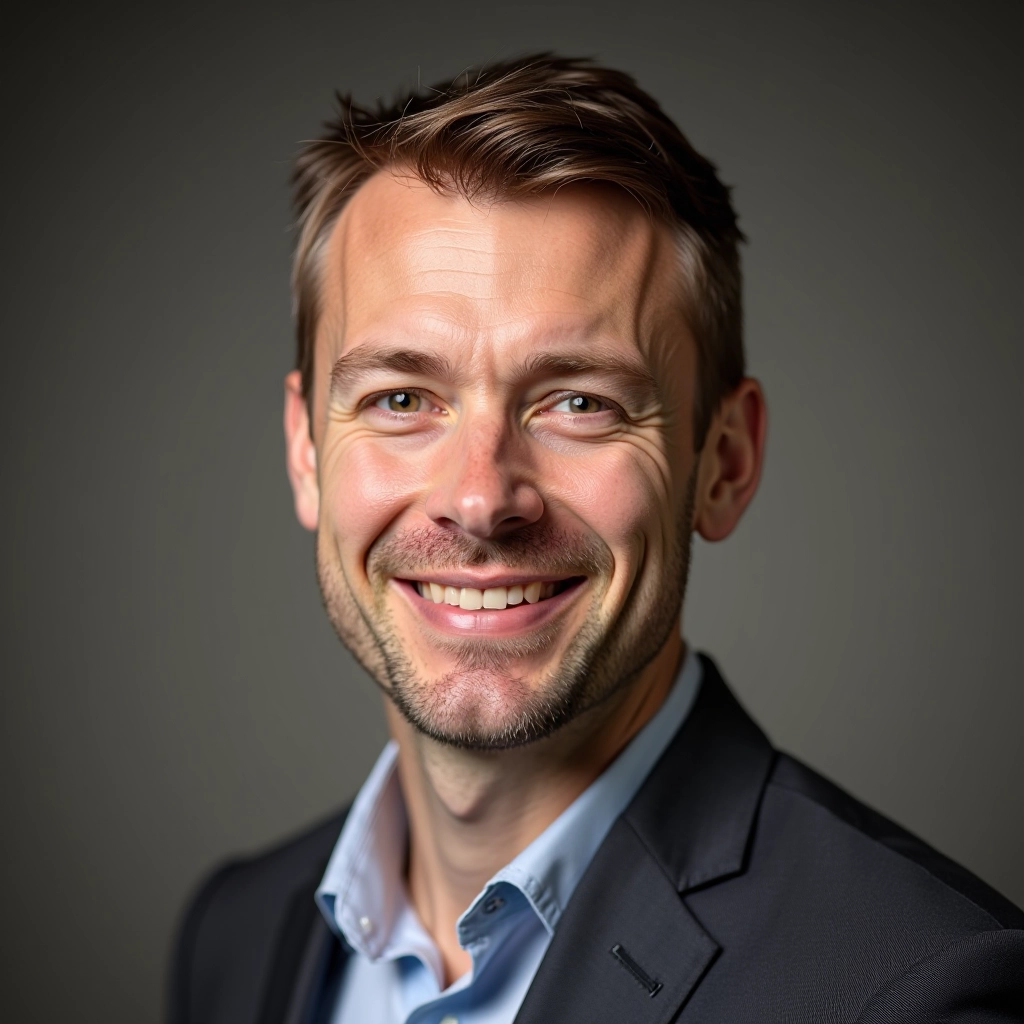
From Church Architecture to Accessible Tourism
Started with Architecture
During undergraduate studies at the University of Latvia, Andris became fascinated by medieval church structures. The intricate stonework, the spatial design, the way light moved through centuries-old windows — it all told a story. But he realized most people never got to experience these buildings properly.
Master's in Cultural Heritage
He completed his Master's degree in Cultural Heritage Management from Riga Stradins University. The program gave him the tools to document, preserve, and interpret historical sites — but it didn't fully address one thing: how to serve visitors with different abilities. That gap stayed with him.
Seven Years at the Latvian Heritage Agency
Andris worked documenting medieval church sites across Latvia. He photographed gravestone symbols, recorded architectural details, and collected oral histories from locals. The work was thorough, meticulous, and important — but something was missing. He'd meet older visitors struggling to navigate uneven cemetery paths, confused by inadequate signage, unable to access the stories these sites held.
Accessibility Becomes the Focus
The last nine years have been about solving that gap. Andris partnered with municipal authorities, heritage organizations, and accessibility consultants to redesign pathways, create clear interpretive materials, and develop senior-friendly cultural experiences. He's worked on cemetery garden routes in Limbaži, documented accessible approaches to St Catherine Church, and trained guides on inclusive interpretation. At kreadiy Ltd, he brings all of this together — rigorous historical research combined with practical accessibility design. The goal's straightforward: make sure cultural heritage isn't just preserved. Make sure it's actually accessible.
What He Knows
Sixteen years of specialized research across multiple interconnected fields — all focused on helping people understand and access medieval heritage sites.
Medieval Church Architecture
Documented over 40 medieval ecclesiastical structures across Latvia and the Baltic region. Specializes in Gothic and Romanesque features, structural analysis, and historical context dating from the 13th century forward.
Gravestone Symbolism and Epigraphy
Expert in reading and interpreting medieval and early modern gravestones. Understands symbol systems, inscription patterns, and how cemetery landscapes reflect social history and cultural beliefs.
Heritage Site Interpretation
Designs interpretive pathways, wayfinding systems, and educational materials that make complex historical narratives accessible without oversimplifying them. Works with curators and historians to ensure accuracy.
Accessibility in Historic Environments
Specialist in adapting heritage sites for visitors with mobility limitations, visual or hearing challenges, and cognitive needs. Balances preservation standards with practical accessibility requirements.
Senior Tourism Development
Created specialized programs and content for older visitors. Understands physical considerations, pacing preferences, and the specific value seniors bring to heritage tourism experiences.
Limbaži Old Town Research
Deep specialist knowledge of Limbaži's medieval core, historic building inventory, and St Catherine Church and its surrounding gardens. Familiar with local archives, municipal records, and community perspectives.
How He Works
Accuracy First
Every claim gets verified. Andris works from primary sources — church records, gravestone inscriptions, architectural surveys, municipal archives. He won't oversimplify history to make it easier. If the story's complicated, he explains why. If historians disagree, he shows both perspectives.
Accessibility Isn't an Afterthought
It's built in from the start. Whether he's designing a cemetery pathway or writing about church symbolism, he's thinking about different visitors' needs. Can someone in a wheelchair navigate this route? Will the signage be clear for someone with partial vision? Are the explanations understandable without requiring a history degree? These aren't separate considerations — they're central to the work.
Respect the Spaces
Medieval churches and cemeteries aren't just tourist attractions. They're places where people worshipped, where families are buried, where communities still gather. Any work Andris does honors that significance. He consults with local parishes, respects burial customs, and makes sure increased access doesn't disrupt the sacred nature of these spaces.
Connect People to Place
The real goal isn't just transferring information. It's creating moments where someone understands why a building matters, why a gravestone symbol meant something to a medieval family, why a cemetery layout tells a story about social structure. When someone leaves a site, they should feel connected to it — and to the history it represents.
"Cultural heritage only survives if people can actually access it. That's not controversial — it's practical. My job is to make sure the door's open, the path is clear, and the story makes sense. Then people can decide what matters to them."
— Andris Vīksne
Education & Experience
Master's Degree
Master of Arts in Cultural Heritage Management, Riga Stradins University (2011)
Undergraduate Studies
Bachelor of Arts in Architectural History, University of Latvia
Heritage Agency
Senior Documentation Specialist, Latvian Heritage Agency (2011–2018). Led church inventory and gravestone recording projects.
Accessibility Consultant
Collaborated with 12+ municipalities on heritage site accessibility projects. Trained over 200 heritage site guides and curators.
Current Role
Senior Heritage Tourism Specialist, kreadiy Ltd. Leads research and content development for cultural heritage destinations across the Baltic region.
Specializations
Medieval ecclesiastical architecture, cemetery interpretation, senior tourism design, accessibility consulting, historical research and documentation.
Recent Articles & Guides
Andris regularly publishes research and practical guides on medieval heritage, accessible tourism, and the history of Baltic ecclesiastical sites.
St Catherine Church: History and Architecture
A comprehensive examination of Limbaži's St Catherine Church, from its medieval foundations through architectural changes over five centuries. Includes details on accessible entry routes and interior layout for visitors with mobility considerations.
Walking the Cemetery Garden Paths: A Senior-Friendly Guide
Practical guidance for older visitors exploring cemetery gardens around medieval churches. Covers pacing, rest spots, terrain conditions, and the historical significance of grave placement patterns and garden design.
Reading Medieval Gravestones and Symbols
Learn to interpret the symbols, inscriptions, and artistic elements found on medieval gravestones. Understand what these markers reveal about occupation, social status, religious beliefs, and family connections in medieval Baltic communities.
Old Town Routes: Exploring Limbaži's Historic Core
Three walking routes through Limbaži's medieval old town, with historical context on building types, street layouts, and how the town evolved from a trading post to a regional center. Routes include accessibility notes and estimated walking times.
Have Questions About Medieval Heritage or Accessible Tourism?
Andris regularly works with municipalities, heritage organizations, tourism boards, and individuals interested in medieval Baltic history. Whether you're planning a senior group visit, developing accessibility for a heritage site, or researching church architecture — reach out.
Organization
Kreadiy Ltd
Focus Areas
Latvia and the Baltic region