Walking the Cemetery Garden Paths
Discover the serene paths of St Catherine Church's cemetery garden — a peaceful journey through history and nature designed for leisurely exploration.

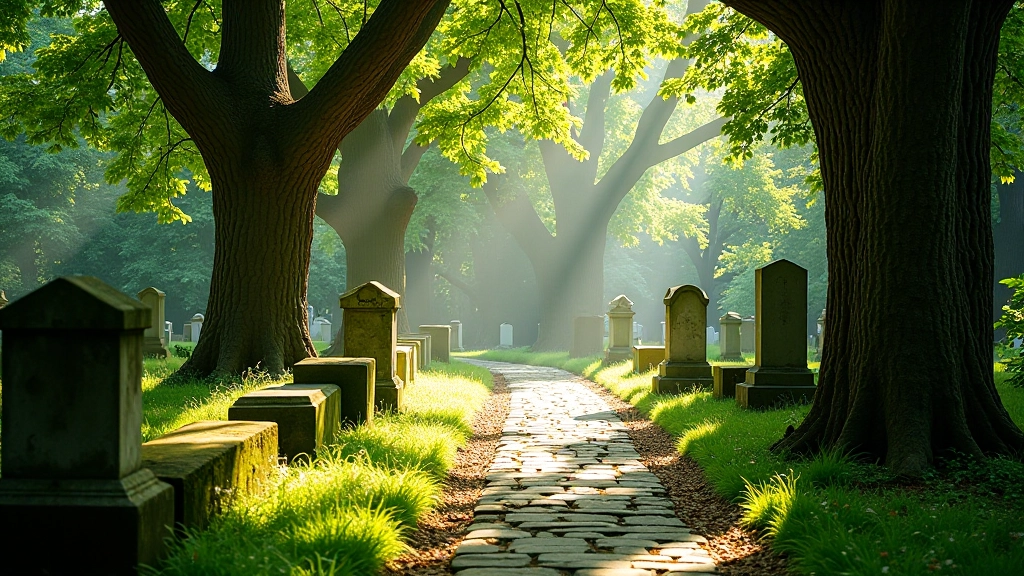
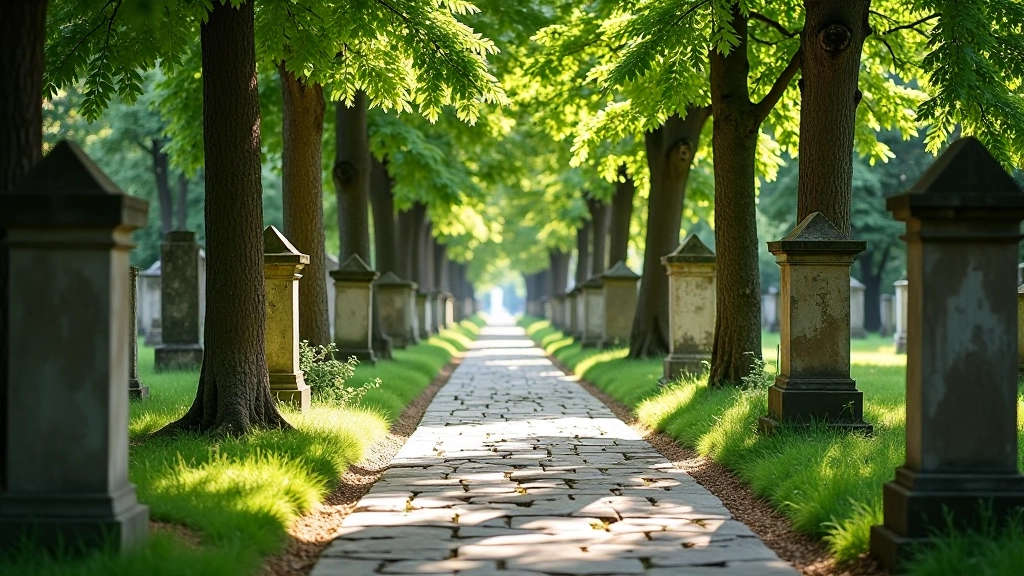
The cemetery garden at St Catherine Church isn't what you might expect. It's not solemn or forbidding — it's actually one of the most peaceful spots in Limbaži's old town. Ancient stone paths wind between centuries-old markers, with mature trees providing shade and birdsong. Walking here feels like stepping into a living history book.
We've explored these paths many times with visitors of all ages. What strikes people most is the sense of calm you get almost immediately. The garden's layout encourages slow, deliberate walking — exactly what makes it perfect for seniors or anyone who wants to connect with local history without rushing.
Accessible Routes
Well-maintained paths suitable for walkers of varying mobility levels
Natural Shade
Mature oak and linden trees provide comfortable protection from sun and weather
Living History
Gravestones dating back to the 1600s tell stories of Limbaži's past
Planning Your Visit
The best time to walk these paths depends on what you're looking for. Summer brings greenery and birdsong — the garden's at its most lush from June through August. But don't overlook autumn. We've found that September and early October offer the most pleasant walking conditions. The heat's gone, crowds are lighter, and the light has that golden quality that makes everything feel timeless.
Winter's quiet too, though some paths can be slippery after snow or frost. Spring's unpredictable in Latvia — some years it's wet and muddy well into May. If you're visiting with mobility concerns, aim for June through September when paths are driest and most comfortable.
The cemetery opens at dawn and closes at dusk. Most visitors come mid-morning or late afternoon when the light's softest and the garden feels most meditative. You'll rarely encounter crowds, even during peak season. That solitude is part of what makes the space special.
What You'll See Along the Way
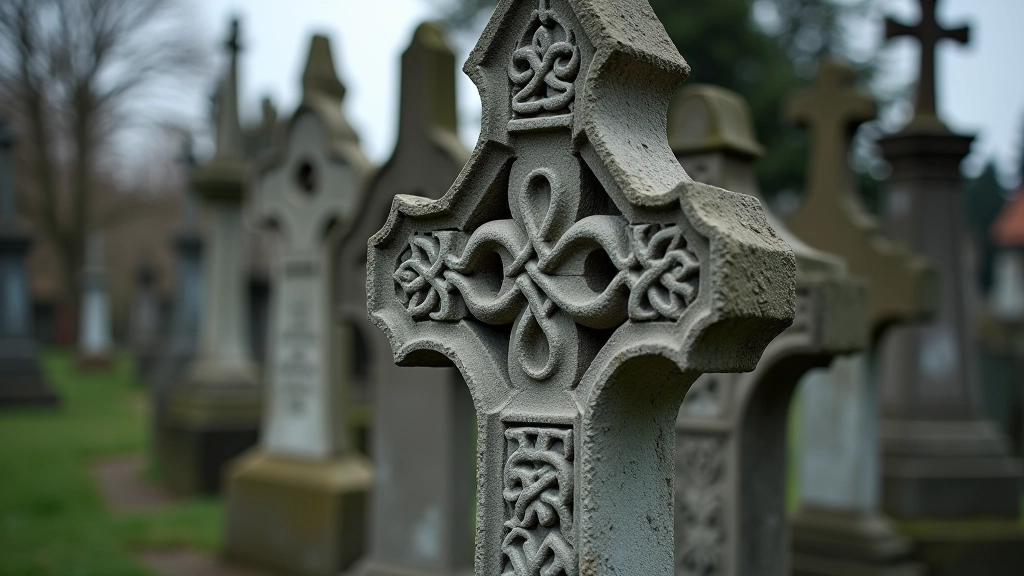
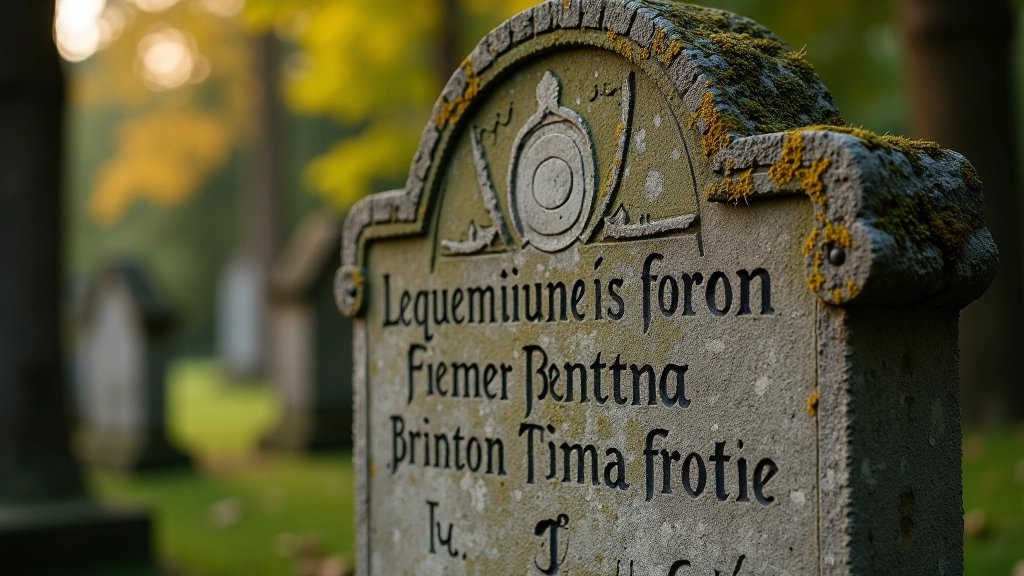
The oldest markers here date to the 1600s — some so weathered you can barely read the inscriptions. Don't rush. Part of the experience is taking time to notice details. You'll see names, dates, symbols carved into stone that meant something to families generations ago.
The cemetery reflects different eras of Limbaži's history. You'll notice the transition from simple wooden crosses to elaborate stone monuments. Some markers show what the town valued — profession, family status, religious symbols. Others are heartbreakingly small, marking children who didn't survive to adulthood.
Beyond the gravestones themselves, watch for the garden's ecology. In spring, wildflowers emerge between the paths. Birds — particularly woodpeckers and thrushes — are abundant. Lichen and moss cover older stones in soft greens and grays, creating a texture that changes throughout the seasons.
Important Information
This article is provided for educational and informational purposes to help visitors understand and appreciate the cemetery garden's history and accessibility. Conditions, opening hours, and access may vary seasonally. Always check with local tourism information or the church directly before planning your visit. Visitors should be respectful of this sacred space — it remains an active burial ground for local families. Photography for personal use is generally permitted, but always ask before taking photos if others are present.
Practical Tips for Walking Comfortably
1
Wear appropriate footwear
The paths are stone, and some sections are uneven. Sturdy shoes with good grip matter more than you'd think, especially after rain.
2
Bring water and rest spots in mind
There aren't benches throughout the garden. If you need to sit, bring a portable stool or plan your route to exit and rest at a nearby café.
3
Allow extra time
The cemetery's only about 1.5 hectares, but slow walking with stops to read stones takes 45 minutes to an hour comfortably.
4
Visit on quieter days
Weekday mornings tend to be most peaceful. Sundays after services can draw larger crowds if you prefer solitude.
Connecting With Limbaži's Past
Walking these paths connects you to something real. You're not just reading about history — you're literally standing in a place where generations of Limbaži residents lived, died, and were remembered. That tangible connection is what makes the cemetery garden different from a museum or historical exhibit.
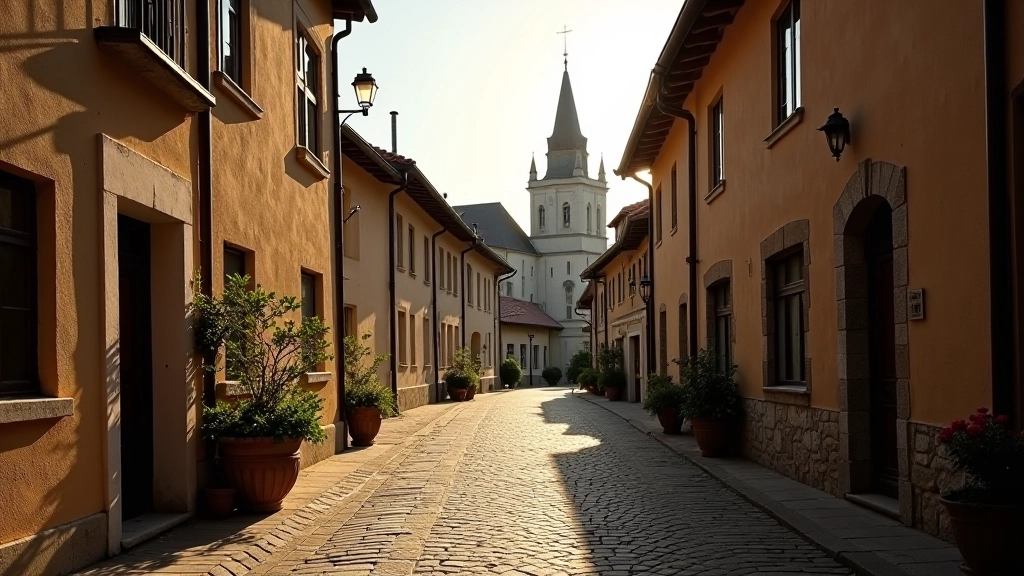
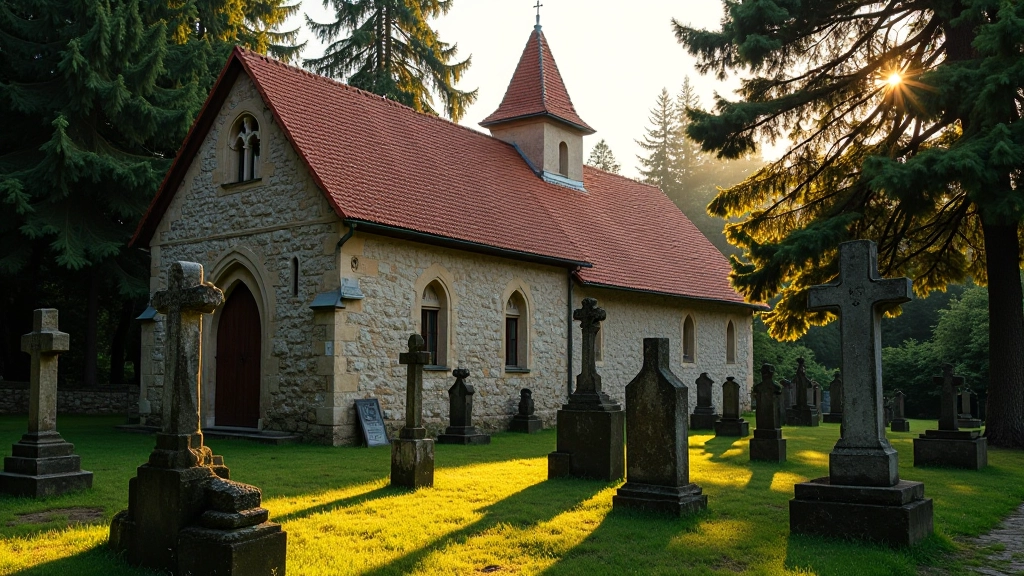
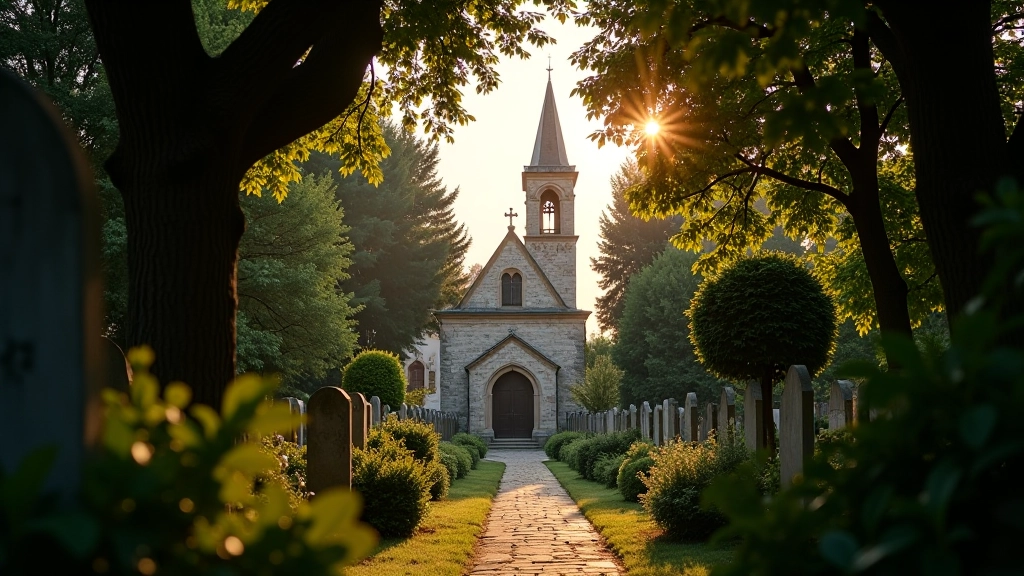
The church itself, St Catherine Church, dates to the medieval period and dominates the old town. The cemetery's grown around it for centuries. If you're interested in learning more about what you'll see, we'd recommend reading about medieval gravestone symbols before your visit. It'll deepen your appreciation for the details you'll encounter.
This is one of Limbaži's quietest, most reflective spaces. It's why we recommend it so often to visitors who want to understand the town beyond its architecture — through the lives, losses, and legacies of the people who built and inhabited it.
Take Your Time, Notice Details
The cemetery garden paths aren't meant to be rushed. They're designed for wandering, stopping, and reflecting. Whether you're interested in history, seeking quiet in nature, or exploring Limbaži's medieval heritage, you'll find something meaningful here. The paths have been walked for centuries — they're ready for yours.