
Walking the Cemetery Garden Paths
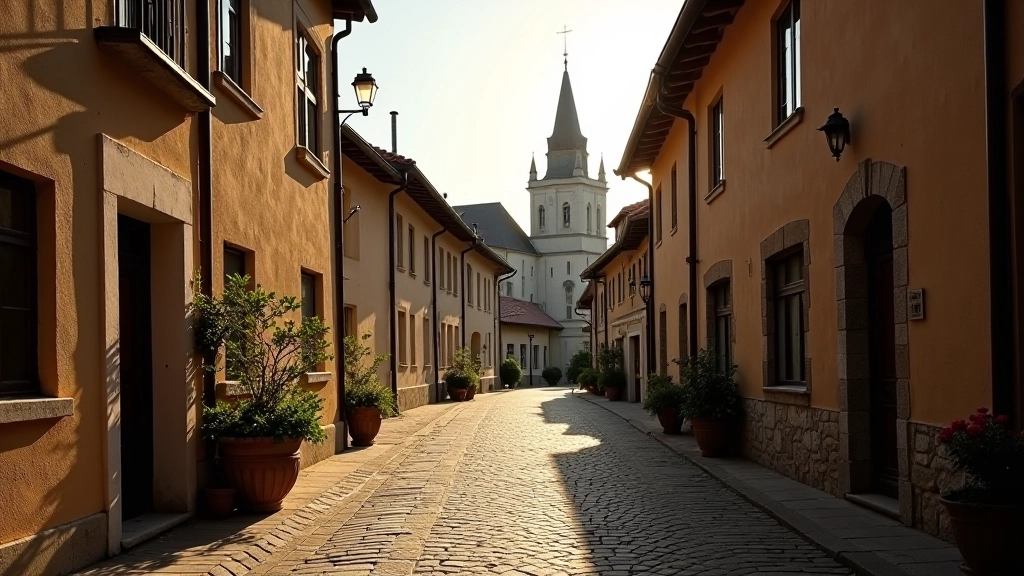
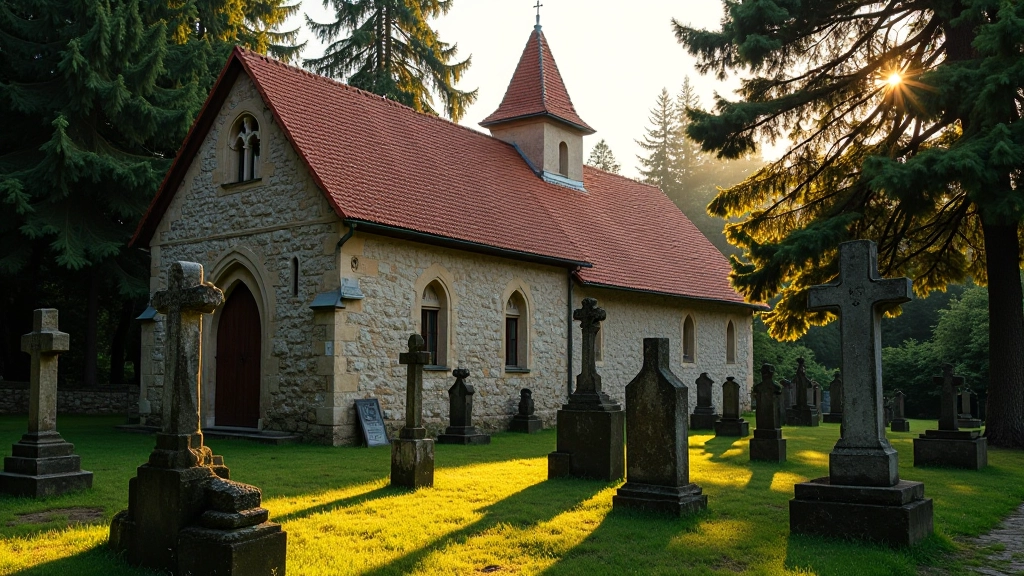
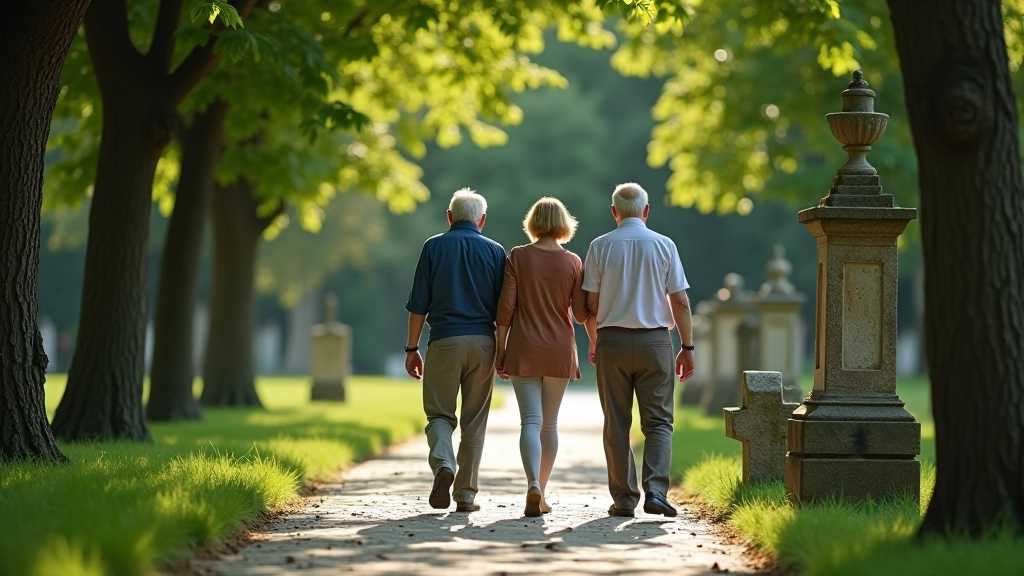
Explore serene pathways through historic gravesites, learning about the people who shaped Limbaži's identity and the nature that thrives among the monuments.
Read MoreExplore the centuries-old stone walls, intricate details, and the spiritual significance of Limbaži's most iconic religious landmark built during medieval times.
St Catherine Church stands as Limbaži's most recognizable landmark, its weathered stone walls telling stories that stretch back more than five centuries. Built in the early 15th century, this magnificent structure wasn't constructed overnight. Local craftspeople labored over decades, carefully placing each stone, carving decorative elements, and perfecting the architectural details that still captivate visitors today.
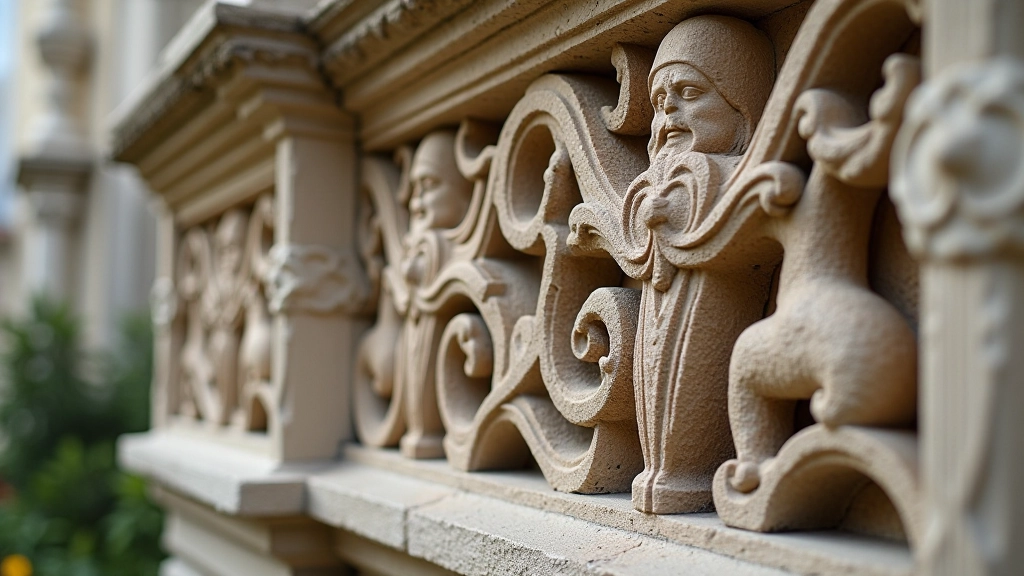
The church you see today represents far more than just religious devotion. It's a physical record of how medieval communities organized themselves, what they valued, and how they understood the divine. The stone construction itself was remarkable for its time — limestone and brick were transported, shaped, and assembled by hand. Every arch, every window, every carved detail reflects the skill and determination of artisans whose names we'll never know.
The building's design follows the Gothic-Baltic style that dominated northern European ecclesiastical architecture during the medieval period. This wasn't purely decorative — the style served practical purposes. The high arched ceilings allowed sound to carry better during services, while the thick stone walls provided insulation and structural strength to support the weight of the roof and bell tower.
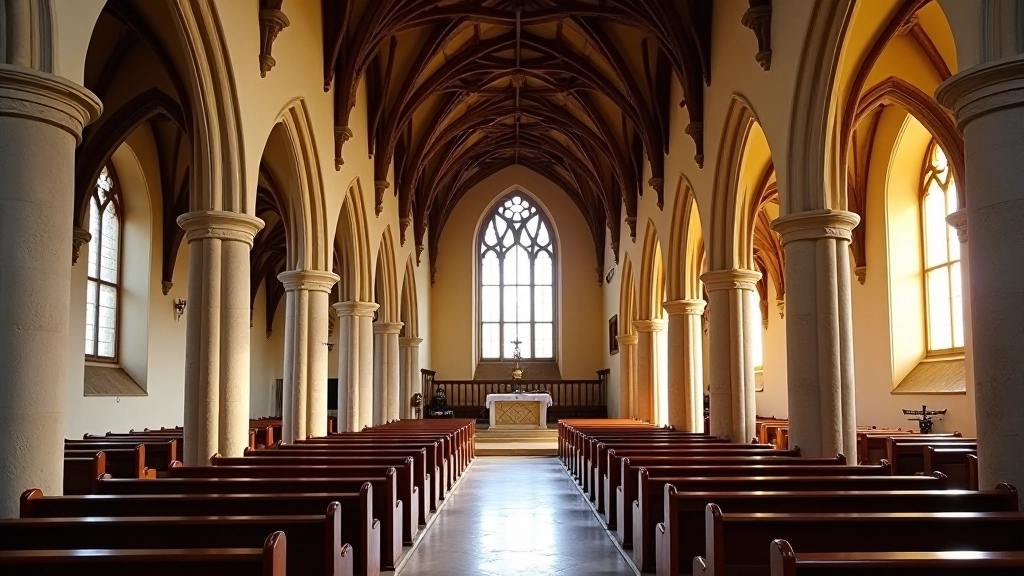
Walking inside, you'll notice how the architecture guides your movement and attention. The nave — that's the central passage where congregants stood — stretches toward the altar, drawing your eye upward to the vaulted ceiling. This wasn't accidental. Medieval architects understood spatial psychology. They designed spaces that made visitors feel smaller, elevating their focus toward spiritual matters. The ribbed vaults and pointed arches create an optical illusion of even greater height, inspiring awe without requiring excessive physical space.
The windows deserve special attention. They're not randomly placed. Medieval builders positioned them to maximize southern and western light while minimizing heat loss on the exposed north side. During restoration work in recent decades, experts discovered that the original windows were considerably smaller than the current ones — a practical adjustment made during the 17th century when glass production became more affordable.
This article provides educational information about St Catherine Church's history and architectural features. While we've sourced information from local historical records and preservation society documentation, architectural interpretation can vary among experts. For the most current information about visiting hours, restoration projects, or specific historical details, we recommend contacting Limbaži's tourism information center or the church directly. This content is intended to enhance your appreciation of the site and isn't a substitute for professional historical analysis or architectural consultation.
St Catherine's construction began around 1410 when Limbaži was a prosperous trading town. The community invested significant resources — both financial and human — in creating a building that would outlast individual generations. The original structure took approximately 60 years to complete, with the bell tower added later in the 1480s.
Like most Baltic churches, St Catherine's survived multiple transformations. During the Protestant Reformation in the 16th century, many decorative elements were removed or whitewashed — a common practice as religious communities shifted their understanding of appropriate worship spaces. Later centuries brought new challenges: fires, wars, and simple weathering took their toll on the stonework. Yet each generation made repairs and adaptations, ensuring the building remained functional and meaningful to the community.
The most recent major restoration occurred in the 1990s, when preservation experts carefully analyzed the structure's condition. They discovered layers of history — different stone types, repair patches, and evidence of previous modifications. Rather than trying to recreate an imagined "original" state, the restoration focused on stabilizing the building while respecting its complex history. This approach means you're seeing a church that's genuinely evolved, not a museum piece.
Medieval architects communicated through architectural elements. The height of the doorway — approximately 3.5 meters — wasn't arbitrary. This height allowed a person on horseback to enter while still requiring them to be somewhat dwarfed by the space. The symbolism was intentional: you're entering a space larger than yourself, both physically and spiritually.
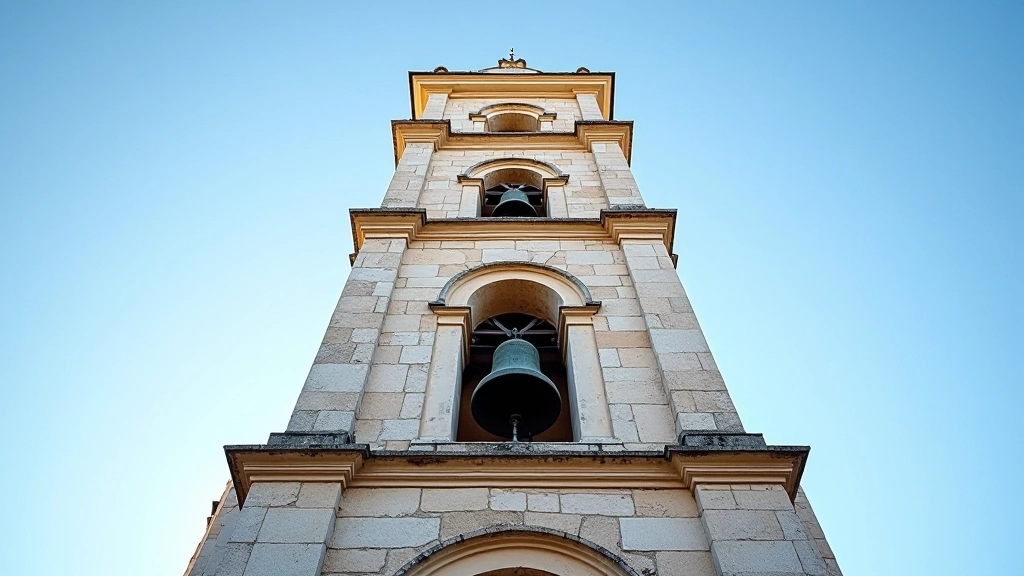
The bell tower rises approximately 45 meters above ground level, making it visible from multiple points throughout the old town. In medieval times, the church bells regulated daily life. They marked prayer times, announced important news, and warned of danger. The current bells date from different periods — the largest was cast in 1658, while others are more recent replacements. Each has a slightly different tone, creating the distinctive sound that still echoes across Limbaži.
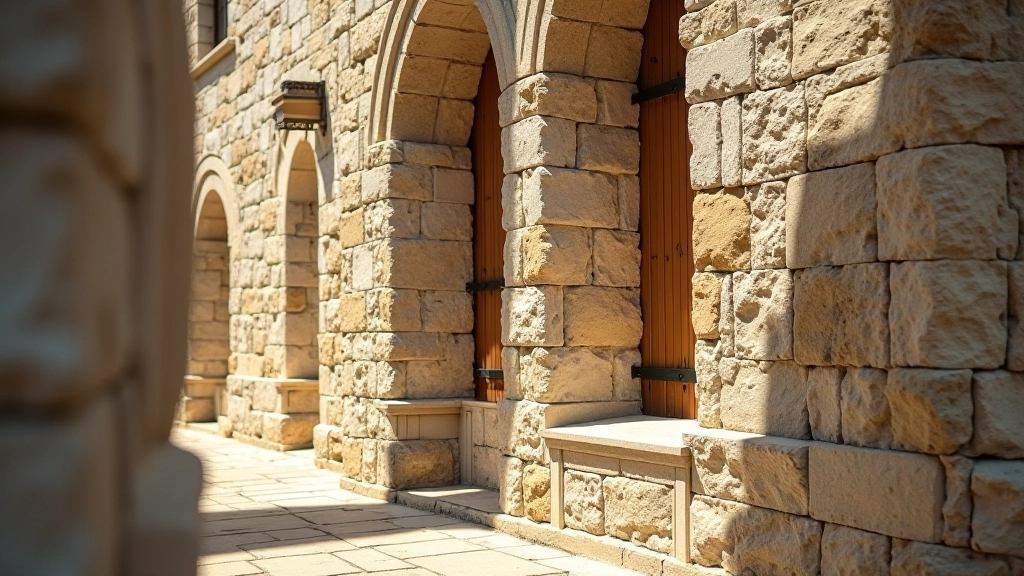
Look closely at the stonework and you'll notice variations in color and texture. These differences tell stories. Lighter stone indicates repairs from centuries past. Darker patches show where water has stained the surface. Rather than being imperfections, these variations make the church feel alive — evidence of a building that's been continuously inhabited and maintained, not abandoned to time.
The church remains an active place of worship, which means you're not visiting a museum but a living community space. This gives the experience authenticity that purely historical sites sometimes lack. You're walking where people have walked for over 500 years, standing in spaces shaped by centuries of human devotion and daily life.
The interior lighting creates different moods depending on when you visit. Morning light through the eastern windows feels fresh and hopeful. Afternoon light from the western windows creates deeper shadows and warmer tones. Many visitors find the early morning hours most rewarding — fewer people, quieter atmosphere, and the quality of light that photographers particularly appreciate. If you're interested in the architectural details, bring binoculars. The ceiling work is intricate, and the carved stone elements high above are worth close examination.
St Catherine Church represents something increasingly rare — a structure that's survived centuries through continuous adaptation and community investment. It's not a frozen moment from the medieval period but a dynamic record of how communities change while maintaining connection to their past. The building itself is an argument that sustainability isn't a modern invention. Medieval communities built to last, maintained what they built, and modified it as their needs evolved.
Whether you're interested in architectural history, spiritual heritage, or simply understanding how your community developed, St Catherine's rewards careful observation. Take time to walk around the exterior, examining the stonework. Spend quiet moments inside, noticing how the space makes you feel. Ask the staff questions — they're often locals with personal connections to the church's recent history. This isn't just a building. It's a conversation across centuries, and you're invited to participate in understanding what it means.